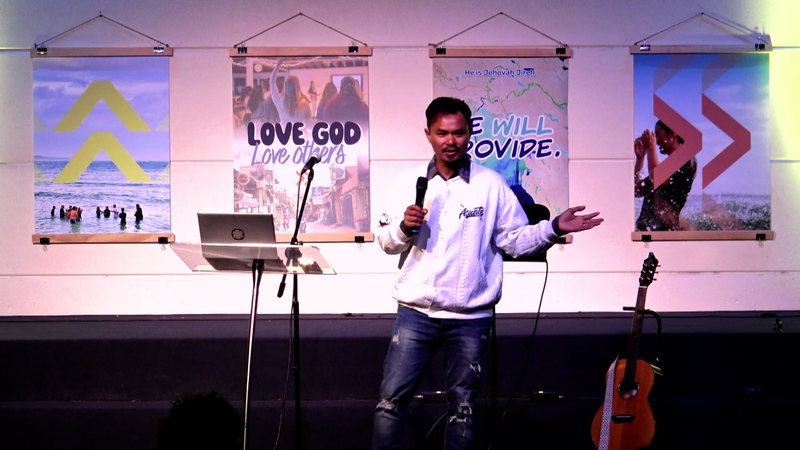
What does it mean to truly belong to God - not just in the songs we sing or the words we speak, but in the way we spend our time, our resources, and our energy? Phanet draws us into one of the most urgent pictures Jesus ever painted: a harvest field overflowing with ripened crops and nowhere near enough workers to bring it in.
The central passage from Luke chapter 10 reminds us that the opportunity before us is enormous, but the response from God's people has too often been too small. We are challenged to ask ourselves whether we have grown comfortable building our own kingdoms while the harvest waits. The lesson here is pointed and personal - the salvation we have received was never meant to be held privately. It is missional by nature, designed to move through us and outward toward others. Just as a farmer who ignores a ready harvest watches it wither and go to waste, a church that turns inward risks losing what God has placed right in front of it.
Discussion questions:
1. Jesus described the harvest as plentiful but the labourers as few - in what specific areas of your life or community do you see this tension most clearly, and what is holding you back from stepping into that gap?
2. Phanet suggests that salvation is not meant to be personal but missional - how does this reframing challenge or affirm the way you currently live out your faith on a daily basis?
3. The Greek word 'deomai,' translated as both 'pray earnestly' and 'beg,' implies passionate, action-oriented pleading - how does understanding prayer as begging change the way you approach intercession for the lost?
4. What are the cultural, relational, or personal fears that most often cause believers to treat their salvation as a private possession rather than a shared gift?