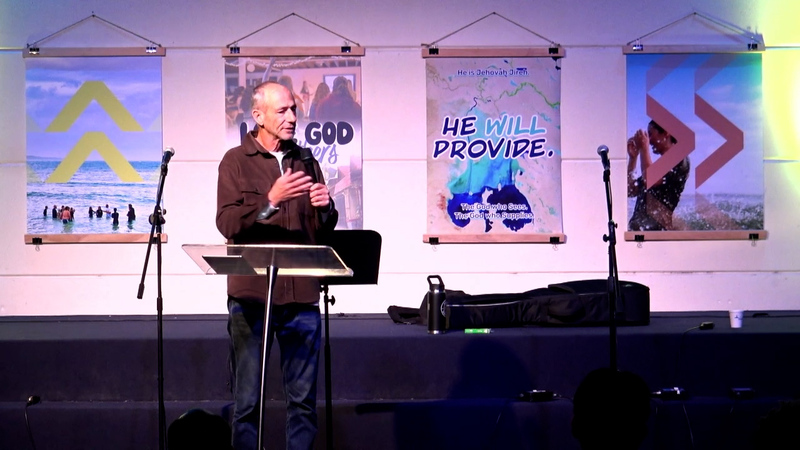
What if rest is not something we earn at the end of a long road, but something God builds into the journey itself? Psalm 23 is one of the most familiar passages in all of Scripture, and yet its opening line carries a challenge we can spend a lifetime avoiding. The Lord is my shepherd. Not our co-pilot. Not our support crew. Our shepherd. Which means, before anything else, we are sheep.
This message invites us to sit with that identity and let it reshape the way we move through life. We live in a culture that treats exhaustion as a badge of honour and stillness as a sign of weakness. But the shepherd in Psalm 23 does something striking. He makes his sheep lie down. Not suggests it. Not rewards them with it eventually. Makes them. There is a rhythm God has written into us that we keep overriding, and this exploration of Psalm 23 calls us back to it.
From green pastures to dark valleys to a table set in the presence of enemies, we are reminded that biblical rest is not the absence of difficulty. It is the presence of the shepherd in the middle of it. If we have been running on empty and calling it faithfulness, this message speaks directly to that tension.
Discussion Questions:
1. We often wear exhaustion like a badge of honor -- in what ways have you personally equated busyness or tiredness with spiritual faithfulness or significance?
2. Psalm 23 describes God making David lie down, using the word 'makes' rather than 'invites' - what does it suggest about our relationship with rest that God sometimes has to compel us into it rather than simply offer it?
3. Jesus regularly withdrew from ministry even when people still needed healing and help - what does his practice of withdrawal reveal about the relationship between abiding with God and serving others effectively?
4. Bretto suggests that some of our deepest encounters with God happen not when he removes the valley but when we discover we were never walking through it alone - has there been a valley in your life where this proved true, and what did you find there?
5. How does the truth that 'the Lord is my shepherd' change what you believe you need in order to live well?