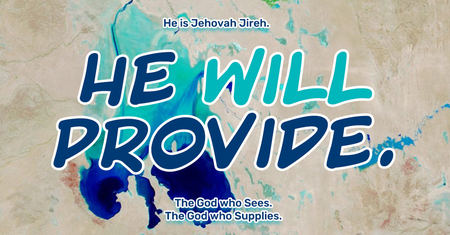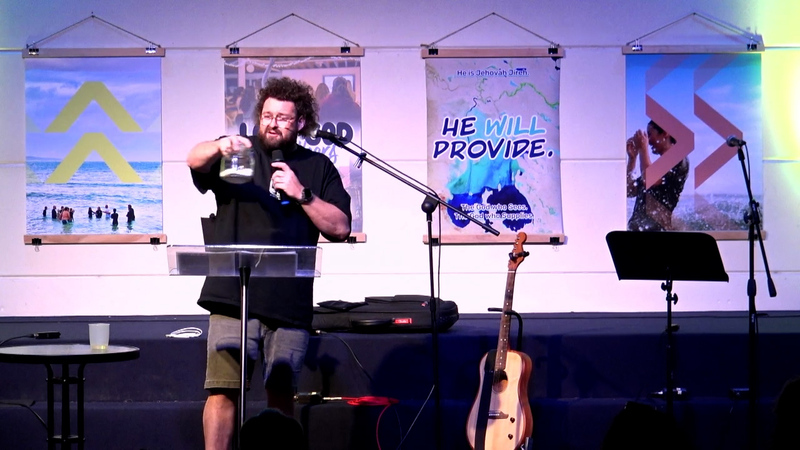
What happens when the very thing God used to sustain us begins to dry up? In 1 Kings 17, we find the prophet Elijah sitting beside a brook that God himself directed him to, fed by ravens, hidden from danger, and then watching the water slowly disappear. It is a moment that raises one of the most honest questions of faith: does a dwindling resource mean a disinterested God?
This message takes us deep into that tension, holding Elijah's story alongside the equally striking account of a widow in Zarephath who was down to her last handful of flour and her final drizzle of oil, preparing what she believed would be her last meal.
Together, these two stories reveal something profound about the nature of divine provision. God does not always fill the jar to overflowing. Sometimes he provides just enough, one day at a time, asking us to return tomorrow in trust.
The central spiritual insight here is both unsettling and deeply freeing: the way God provides changes, but his faithfulness does not. We are invited to loosen our grip on the provision and tighten our grip on the provider, recognising that scarcity is never the measure of God's capacity.
Discussion questions:
1. The brook at Cherith drying up was not a failure of God's plan but a progression within it - can you think of a time in your own life when a provision you relied on disappeared, and how did that shape your understanding of God's faithfulness?
2. The widow of Zarephath was asked to give her last resources to someone else before meeting her own need - what does this story reveal about the relationship between generosity, faith, and God's provision, and how does it challenge the way you hold onto what little you have?
3. Dave makes the point that scarcity is not the measure of God's capacity -- in what areas of your life do you most often calculate what is possible based only on what you can see is available, and how might this story reframe that thinking?
4. Sometimes God provides just enough for today rather than filling the jar to last for weeks - how do you honestly respond to the idea of daily dependence rather than long-term security, and what does that reveal about where your trust actually sits?