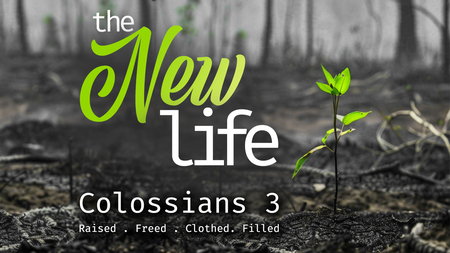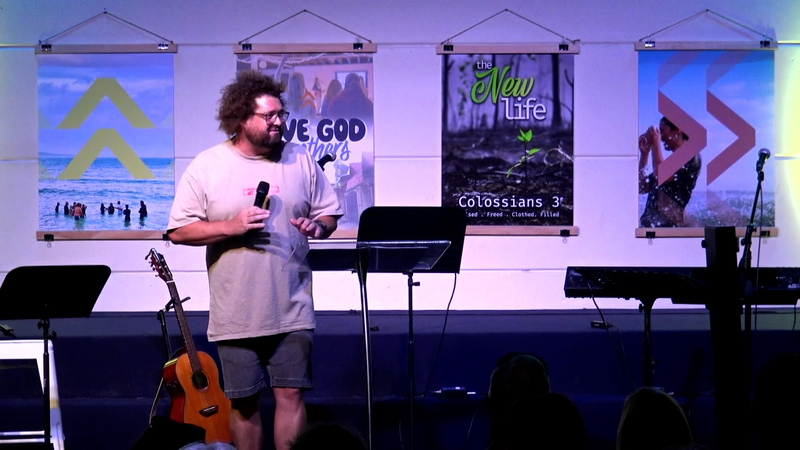
This powerful message invites us into a transformative vision of what the resurrection truly means for our daily lives. Drawing from Colossians 3:5-11, we're challenged to see ourselves not merely as forgiven sinners, but as newly planted gardens where Christ himself walks as the gardener. The imagery is striking: just as Mary Magdalene mistook the risen Jesus for a gardener at the tomb, perhaps she was more right than she knew. Christ is indeed our gardener, tending to the soil of our hearts, cultivating new life where there was once only barrenness and desolation.
This message doesn't shy away from the uncomfortable truth that weeds still grow in our lives - old habits, misplaced desires, unhealthy patterns of relating to others. But rather than calling us to white-knuckle self-improvement, we're invited into cooperation with the divine gardener who works patiently at the roots of our struggles.
This isn't about behaviour management; it's about deep transformation. Through confession, staying close to Christ in spiritual practices, and walking vulnerably with others, we position ourselves for the Holy Spirit's cultivating work. The promise is beautiful: we're being transformed from one degree of glory to another, becoming now the kind of people we will be in the new Eden to come.
Discussion questions:
1. How does the image of Jesus as the gardener in John 20 reshape your understanding of His ongoing work in your life after the resurrection?
2. In what ways do you experience the tension Paul describes in Romans 7 between wanting to do what is right but struggling with old patterns and desires?
3. How does the promise that God will not shame us but comfort us as He transforms our wilderness into Eden change the way you approach confession and vulnerability?
4. How can we distinguish between Jesus plus cultural norms or religious add-ons versus authentic new life in Christ in our daily decisions?
5. What would it look like for you to move from behavior management to deeper transformation in your motivations, value systems, and thought patterns?