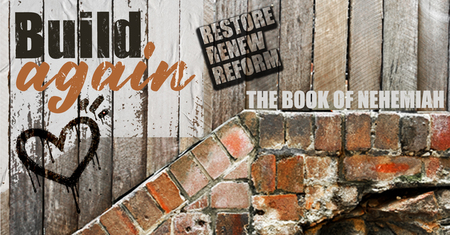
This message launches us into the book of Nehemiah, revealing that genuine kingdom building has nothing to do with physical structures, better programs, or bigger ministries. Instead, we're invited into something far more profound: the renewal and reformation of our hearts, the restoration of intimacy with God, and the courage to sit in the brokenness of our world.
Before Nehemiah ever laid a single stone, he wept, fasted, and prayed for days. He didn't rush to action or rely on his own strategic thinking. This challenges us to examine our own tendencies to lead from fear, bias, or personal agendas rather than from deep communion with our Heavenly Father.
The biblical concept of 'banah' in Hebrew and 'oikodomeo' in Greek reveals that building is ultimately about constructing lives and communities around God's purposes—a powerful metaphor for unity, obedience, and the restoration of what's been broken.
We're reminded that it's more important to know who we're called to be with than what we're called to do.
Are we willing to pause our plans long enough to truly listen? Are we brave enough to enter the ruins of addiction, homelessness, division, and suffering in our communities, not with all the answers, but with softened hearts that break for what breaks God's heart?
Discussion questions:
1. In what areas of your life do you tend to rush into action or problem-solving before pausing to pray and seek God's direction?
2. How does Nehemiah's example of weeping, mourning, and fasting challenge our typical responses to brokenness in our communities or personal lives?
3. What does it mean practically for us to 'sit in the mess' of brokenness around us rather than immediately trying to fix things or move on?
4. How does the biblical concept of building as 'renewal, reformation, and restoration' differ from our cultural understanding of growth and success?
5. How does Nehemiah's incarnational approach of leaving privilege to enter brokenness reflect the example of Jesus, and where is God calling you to do the same?